Beaufort Delta Communities

The Western Arctic is home
to a vibrant collection
of communities where
Indigenous traditions and
modern life come together
in a spirit of harmony and
resilience.

Cultural Harmony in the Western Arctic

This region blends many cultures in harmony. Fort McPherson and Tsiigehtchic are primarily Gwich’in communities, while Tuktoyaktuk, Paulatuk, Sachs Harbour, and Ulukhaktok are mainly Inuvialuit. Aklavik and Inuvik combine these Indigenous cultures with people from around the world.

Paulatuk
Population: 325

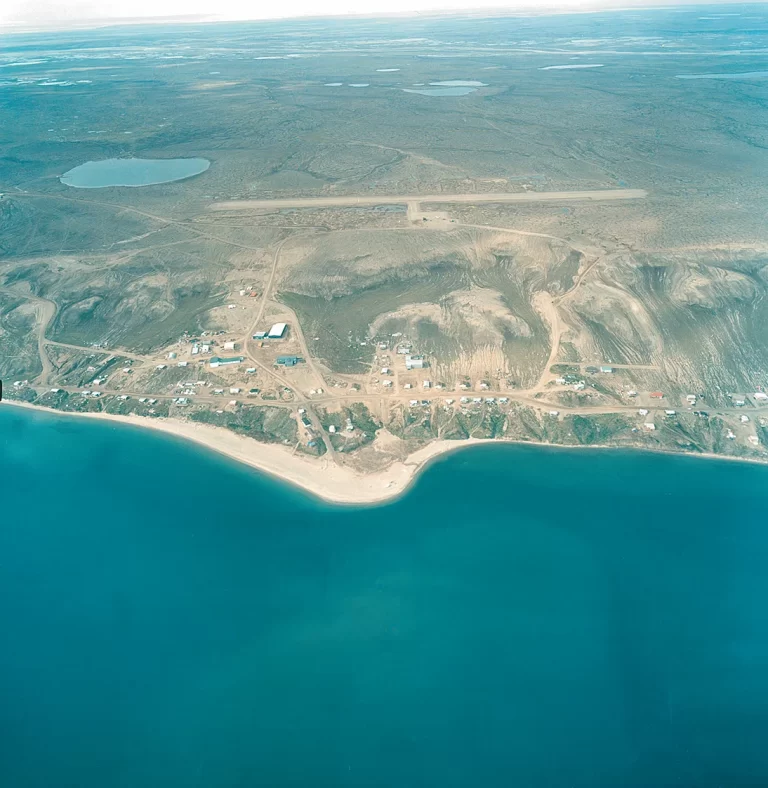
Near the western mouth of the Northwest Passage, this is a small, traditional Inuvialuit community with deep roots in hunting, trapping and Arctic-char fishing. It’s also a basecamp for trips to Tuktut Nogait National Park, the Cape Parry Bird Sanctuary, and the Smoking Hills, a perpetually burning coal seam. Access is by air from Inuvik.

Contact us:
sao@paulatuk.ca
(867) 580-3531
Tuktoyaktuk
Population: 962

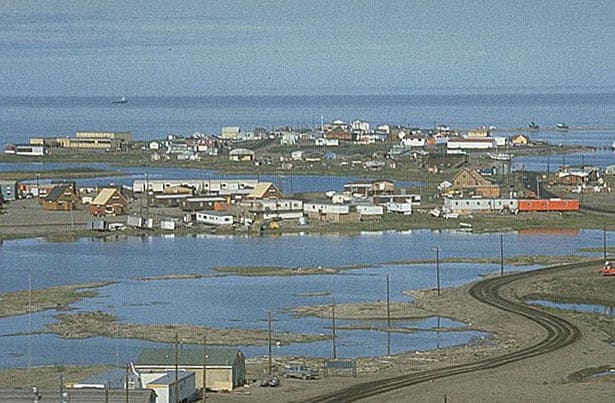
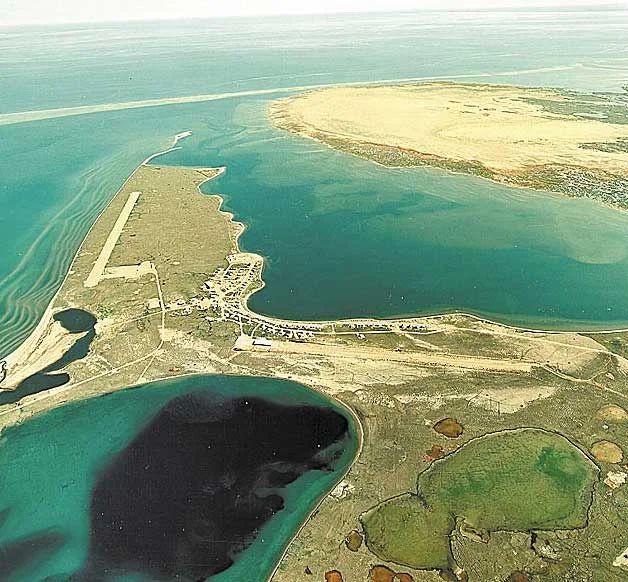
Our biggest town above the treeline, “Tuk” juts boldly into the Arctic Ocean. Over the years it has served as a base for Inuvialuit caribou and beluga hunting, a DEW Line radar site, and a centre of oil and gas exploration. Today it welcomes visitors, who tour the nearby “pingo” hills, sample traditional foods (like muktuk!), and, of course, cool their heels in the chilly sea. Access is by air and via the new Mackenzie Valley Highway connecting Tuk with Inuvik (opened Nov, 2017) .

Contact us:
https://www.tuktoyaktuk.ca
(867) 977-2286
Ulukhaktok
Population: 465

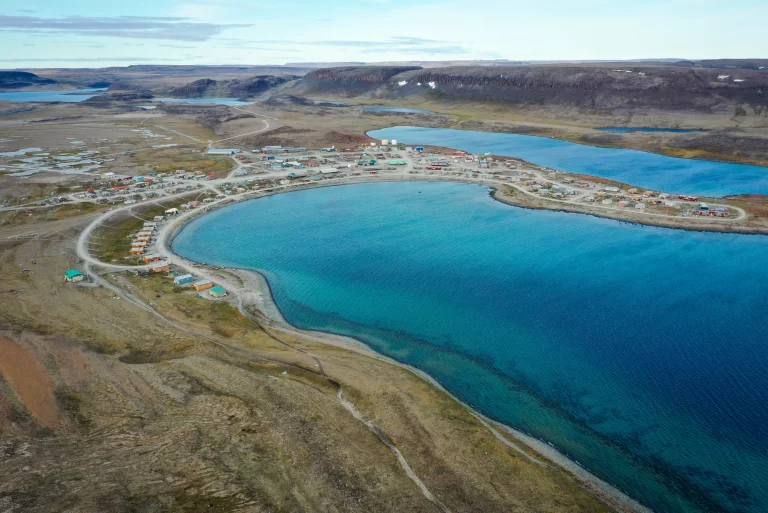
Formerly known as Holman, this Inuvialuit community wraps around the head of an Arctic inlet on the west coast of Victoria Island, the ninth largest on Earth. It was founded as a Roman Catholic mission in the 1930s and is now famous for two things: The world’s northernmost golf course (each summer it hosts the Billy Joss Open Tournament), and exquisite Inuit prints.

Contact us:
sao_ulu@northwestel.net
(867) 396-8000
Sachs Harbour
Population: 110

Our northernmost community, this tiny Inuvialuit settlement is the only outpost on Banks Island, Canada’s fifth largest. Many Muskoxen live in the area. The island is home to Aulavik National Park, the epic Thomsen River, bird sanctuaries, the famed HMS Investigator shipwreck, and, possibly, a few “PolarGrizz” – hybrid polar bear/grizzlies like the one that was identified here in 2006. Access is by air from Inuvik and the barge once a year for yearly supplies for community.

Contact us:
hamlet_ceo@northwestel.net
(867) 690-4351
Aklavik
Population: 691

This Gwich’in/Inuvialuit town rests on the western flank of the Mackenzie Delta, near to the Richardson Mountains. Once the region’s administrative centre, locals were slated to be moved to Inuvik, but refused – hence their motto, “Never say die.” Don’t miss the grave of the Mad Trapper, the mysterious backwoods killer who led Mounties on one of Canada’s greatest manhunts. Access is by air or water or, in winter, via the ice road from Inuvik.

Contact us:
https://www.aklavik.ca
(867) 978-2351
Tsiigehtchic
Population: 179

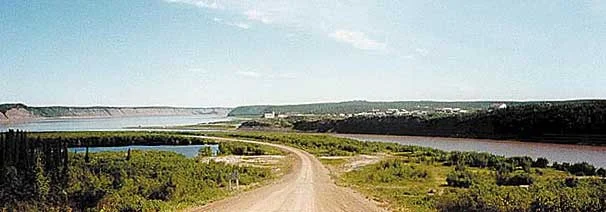
Stationed atop a commanding bluff at the confluence of the Mackenzie and Arctic Red Rivers, this tiny Gwich’in town is steeped in traditional fishing, hunting and trapping. It’s a worthwhile stop for Dempster Highway travellers, who can stroll the riverbanks, stop in at the visitor centre, and check out the picturesque, 100-year-old church. Access across the river is via ferry in summer and ice road in winter.

Contact us:
sao@tsiigehtchic.ca
(867) 953-3201
Fort McPherson
Population: 647

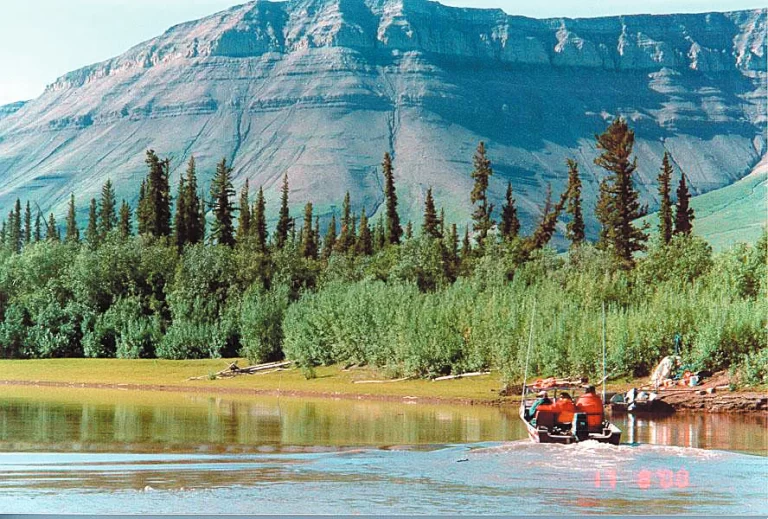
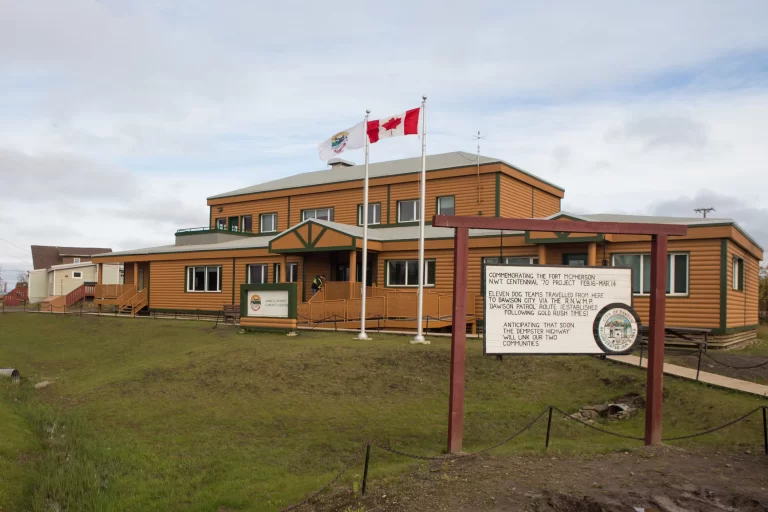
The first community you’ll encounter when driving north on the Dempster, this friendly Gwich’in town is set in the rolling Richardson foothills along the Peel River, a popular paddling route. Don’t miss the famous Tent and Canvas shop, source of heavy-duty trapper’s tents, satchels and souvenirs, as well as the graves of the Lost Patrol – four Mounties who died en route to Dawson City in the terrible winter of 1911.

Contact us:
https://www.fortmcpherson.ca
(867) 952-2428